
About Varanasi Ghats
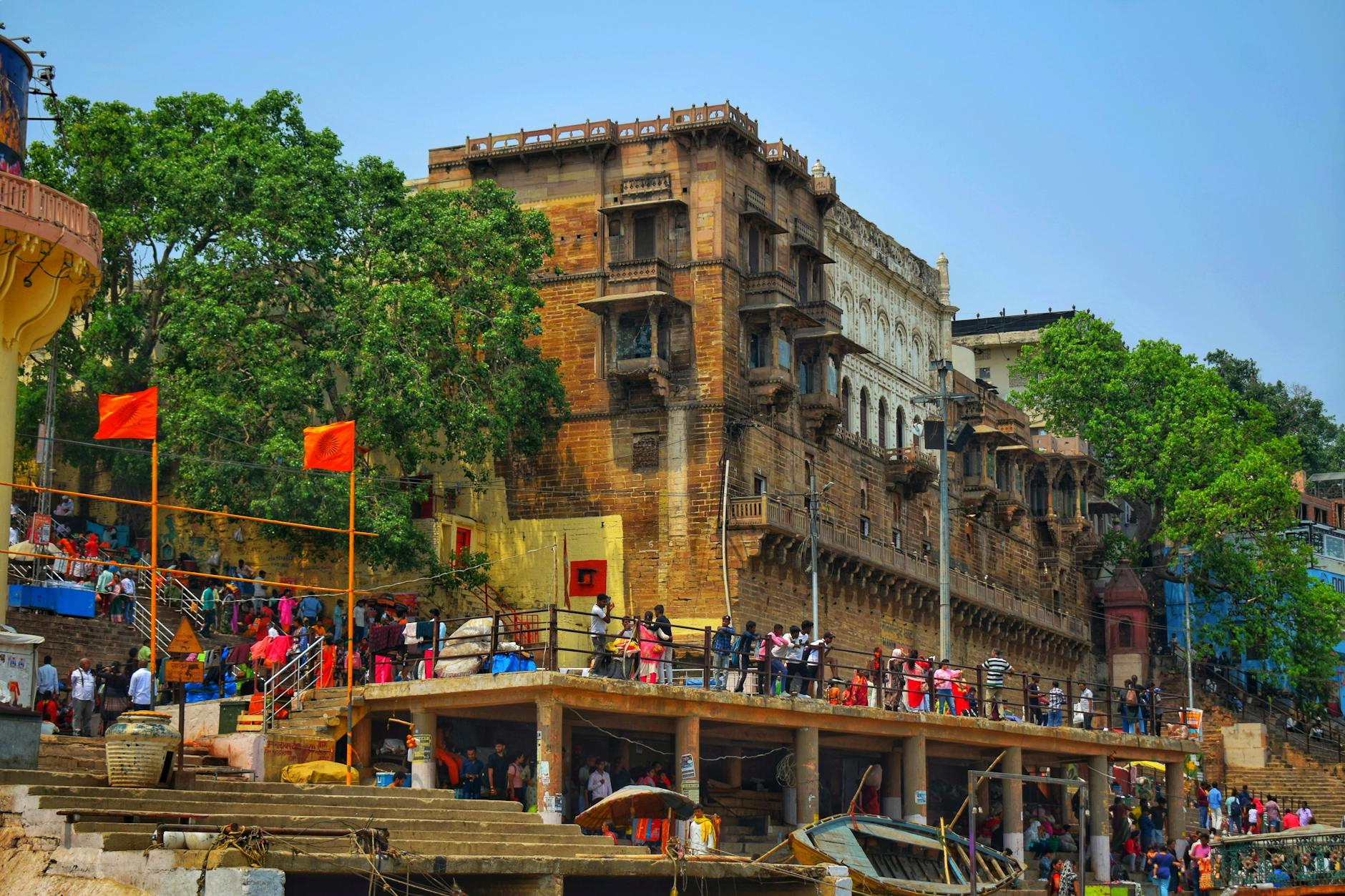
Varanasi (Kashi/Banaras) has been a center of spiritual learning, art, and culture for over 3,000 years. The 84 ghats along the Ganges form one of the most photographed waterfronts in the world. Witness the spectacular Ganga Aarti at Dashashwamedh Ghat at dusk, explore narrow lanes filled with silk weavers, discover the oldest Banaras Hindu University campus, and experience the transformative energy of India's most sacred city. The Banarasi silk sari tradition is a UNESCO intangible heritage.
Top Attractions
10 curated experiences — from the iconic to the hidden
Sunrise Boat Ride on the Ganges
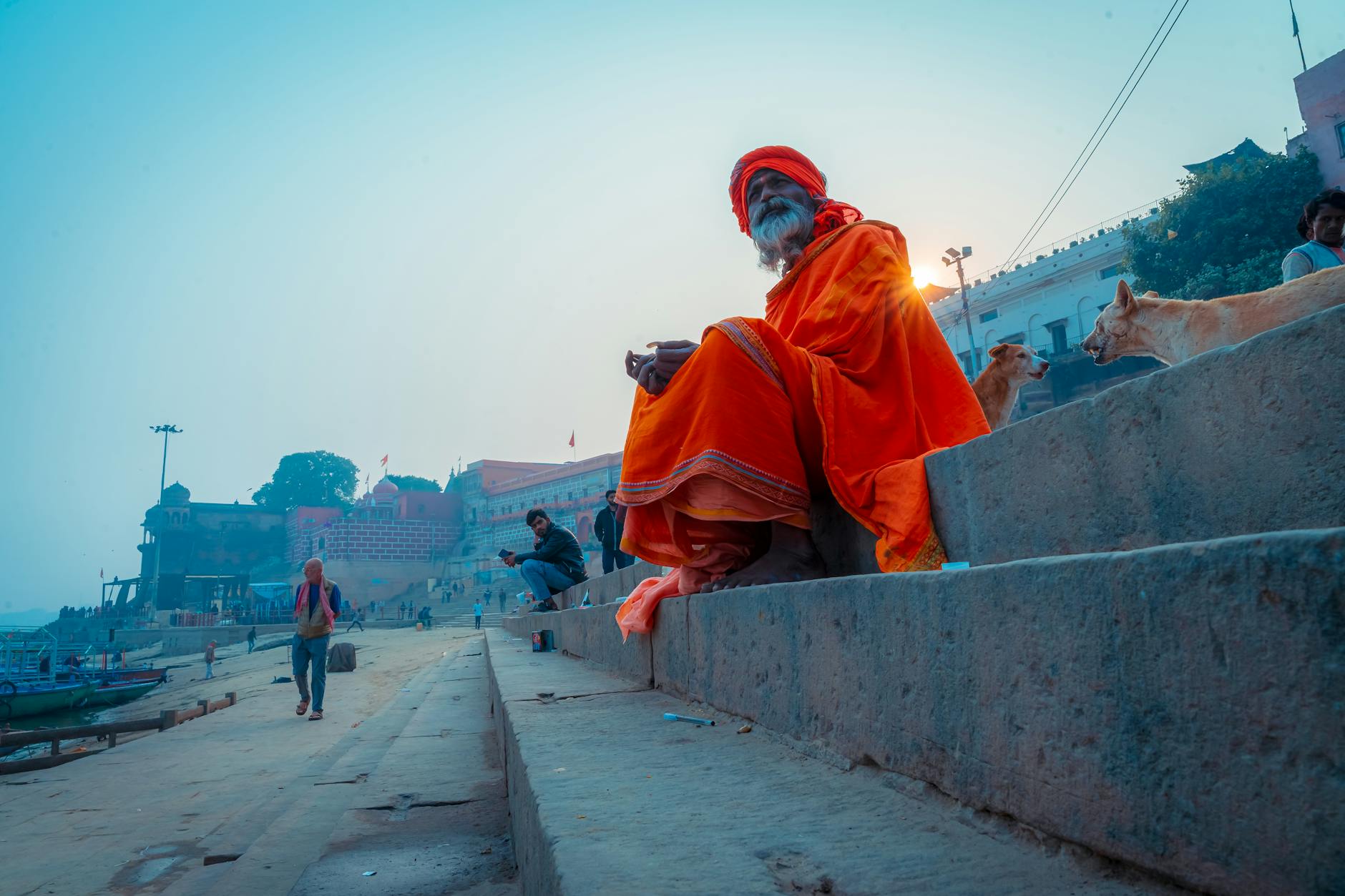
The single most transcendent experience in Varanasi. As the sun rises behind the eastern bank, the entire 7-km arc of ghats glows pink, then gold. Pilgrims descend for ritual bathing, priests perform morning aarti, sadhus meditate. An hour on the water explains why this city has held 3,000 years of belief.
- See all 84 ghats from the river
- Pilgrims performing surya namaskar at the water's edge
- Floating diya offerings released from the boat
- Light changing minute-by-minute on the riverfront
Book through your hotel the night before for ₹500–800 per person. Avoid touts at the ghats. Take a small note of cash for the floating-diya seller mid-river — refusing is fine, the ritual is genuinely moving.
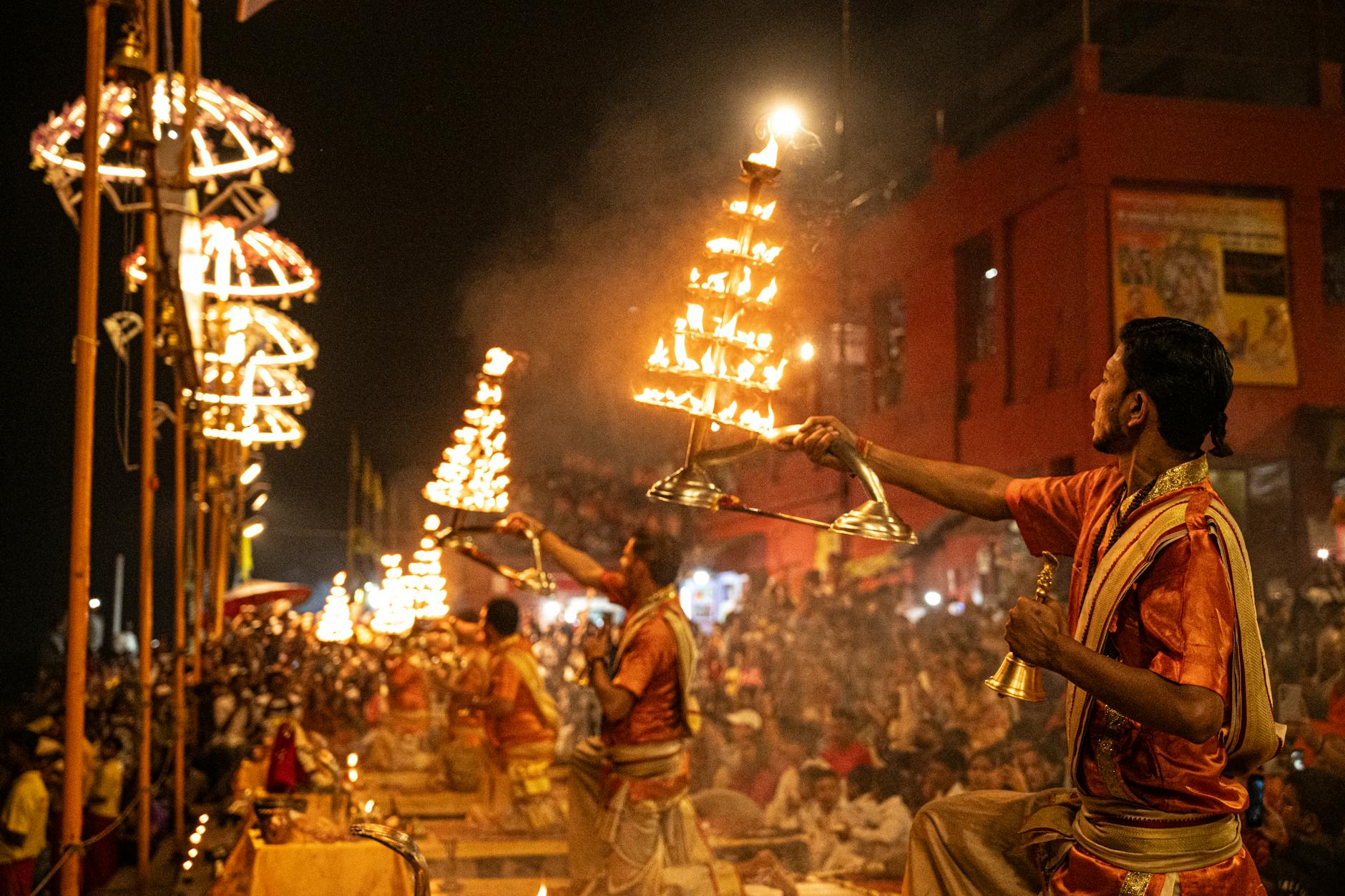
Ganga Aarti at Dashashwamedh Ghat
The most spectacular evening ritual in India. Seven priests in saffron synchronize a 45-minute ceremony with brass lamps, conch shells, drums and chants — all reflected in the Ganges. Performed every evening since the 16th century at the ghat where Brahma is said to have performed a 10-horse sacrifice (Dashashwamedh).
- Seven priests synchronizing brass lamps in motion
- Conch shells and bells building to crescendo
- Crowd of thousands chanting along
- Best viewed from a boat anchored offshore
A boat seat for the aarti gives you the entire view of all seven priests at once — the rooftop view is too high. Pre-book a boat for both sunrise next morning AND sunset aarti tonight; same boatman, half the price.
Kashi Vishwanath Temple
One of the 12 Jyotirlinga shrines and arguably the holiest Shiva temple in Hinduism. The 1780 Maharani Ahilya Bai-rebuilt structure has a 750-kg gold-plated tower. The 2021 Vishwanath Corridor opened a clean processional route from the river — transforming an experience that was once chaotic into something genuinely accessible.
- The new Kashi Vishwanath Corridor (2021)
- Gold-plated shikhara visible from the river
- Annapurna Temple within the complex
- Adi Vishweshwar — the original Shiva linga
No phones, cameras, or bags inside. Free lockers at the entrance. The Sugam Darshan paid ticket bypasses the 2-hour queue and is worth every rupee. Non-Hindus are welcome at the corridor and outer complex.
Ghat Walk — Assi to Manikarnika
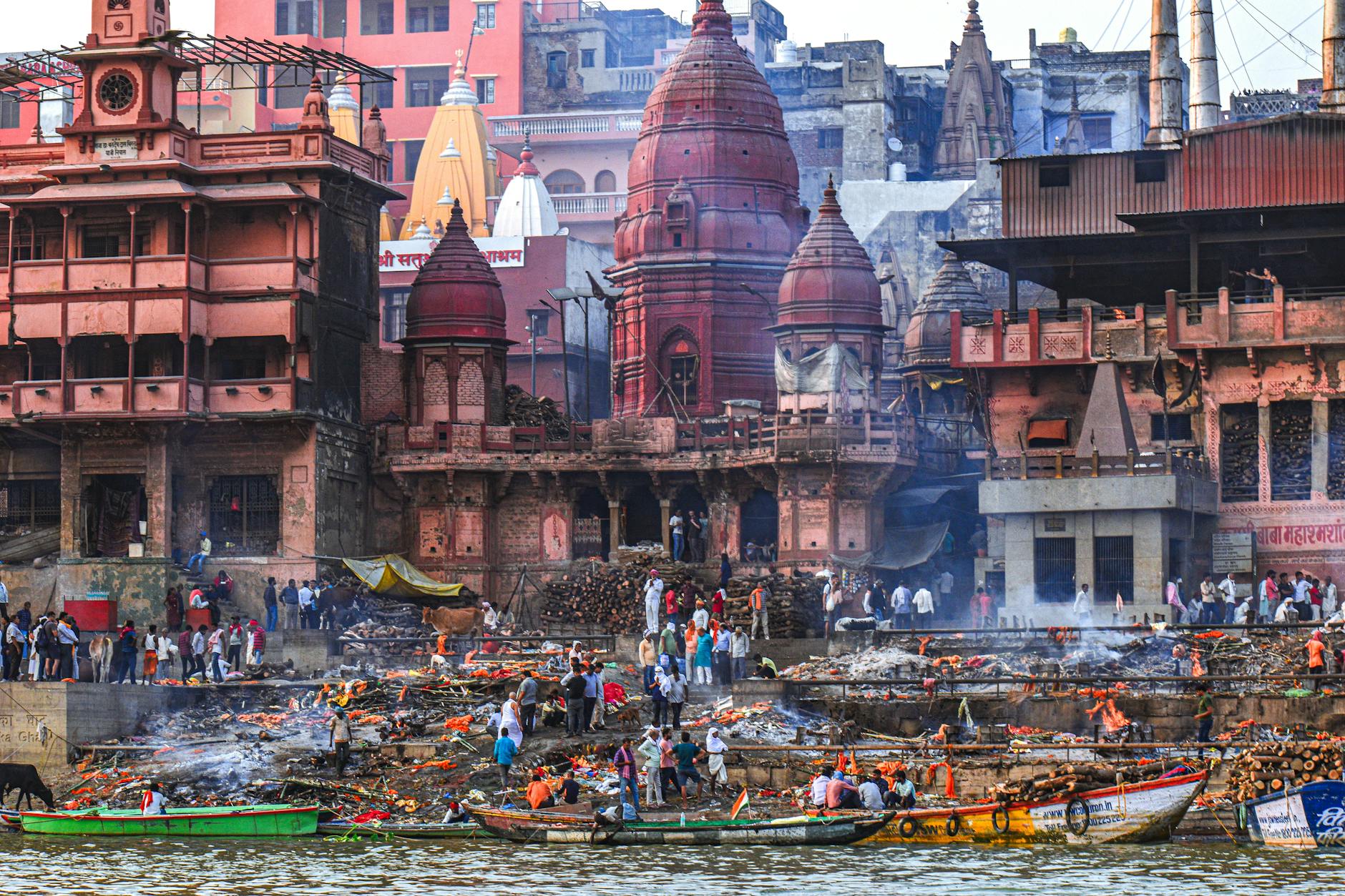
A 5-km walk along the riverfront connecting all 84 ghats. Each has its own story — Tulsi Ghat where the poet wrote Ramcharitmanas, Harishchandra and Manikarnika cremation ghats, Munshi Ghat's perfect symmetry. The morning walk down and evening boat back is the classic Varanasi day.
- Tulsi Ghat — Ramcharitmanas was written here
- Harishchandra Ghat — minor cremation ground
- Dashashwamedh Ghat — the central ghat
- Manikarnima Ghat — the major cremation ground
At Manikarnika, photography is strictly prohibited and respectfully not even glanced-at by devout Hindus. A "Dom" caste guide will offer to explain the cremation rituals — this is genuine, not a scam, but optional.
Sarnath
10 km north of Varanasi, this is where the Buddha gave his first sermon to five disciples in 528 BCE — setting the wheel of dharma in motion. The Dhamek Stupa and Ashoka Pillar (whose four-lion capital became India's national emblem) are still here. UNESCO-listed.
- Dhamek Stupa — 5th-century mound where the sermon was given
- Ashoka Pillar fragment with the lion capital (in museum)
- Mulagandha Kuti Vihar — modern temple with Japanese murals
- Sarnath Archaeological Museum
Combine with Banaras Hindu University on the way back. The museum closes Fridays — check before you go. Buddhist pilgrims from Japan, Sri Lanka and Thailand are usually present and chanting; it's very peaceful.
Banarasi Silk Weaving — Sarai Mohana Village
Banarasi silk saris are UNESCO intangible heritage. In Sarai Mohana village (12 km from the city), 200+ Muslim weaver families still work pit-looms by hand — a single sari taking 15 days to 6 months to complete. Watching the weft of zari threads slip through is mesmerizing.
- Pit-loom weaving demonstrations
- Difference between hand-woven and powerloom (telling)
- Direct purchase from weaver families (cuts out middlemen)
- Co-op showrooms with certified pieces
Avoid the silk shops in Vishwanath Lane — most sell powerloom synthetic. Go directly to Sarai Mohana or Adampura with a local guide. Real Banarasi silk has a "GI tag" certificate; ask to see it.
Banaras Hindu University (BHU)
Founded by Madan Mohan Malaviya in 1916, BHU is one of Asia's largest residential universities — its 1,300-acre campus a cool, leafy oasis. The Vishwanath Temple replica (Birla Mandir) at its centre and the Bharat Kala Bhavan museum (miniature paintings, sculptures) are highlights.
- Vishwanath Temple — open to all (unlike the original)
- Bharat Kala Bhavan museum
- Tree-lined campus walks (a relief from the old city)
- Sunset from the Trishul gate
A welcome contrast to the intensity of the old city. Visiting students in the evening is the easiest way to encounter young Indians outside their tourist roles. Auto-rickshaws are plentiful inside the campus.
Banarasi Food Trail
Varanasi's breakfast is a religion in itself. Kachori-sabzi at Ram Bhandar, jalebi at Madhur Milan, malaiyo (winter foam dessert) at Kashi Chaat Bhandar, lassi at Blue Lassi, and paan at any of the legendary stalls in Godowlia. A sensory pilgrimage.
- Kachori-sabzi at Ram Bhandar (since 1855)
- Blue Lassi — 70+ flavors, run by 4th generation
- Malaiyo — winter-only foam pudding made from morning dew
- Banarasi paan — the famous farewell
Take a local food walk guide for ₹1,500–2,500 per person — they navigate the lanes, know which stalls actually have hygienic prep, and can introduce you to vendors you'd never find. Several reliable operators run morning and evening tours.
Ramnagar Fort
Across the Ganges from the main ghats, the 18th-century fort is still home to the Maharaja of Banaras (a titular role today). The Saraswati Bhawan museum holds vintage cars, weapons, palanquins, and a rare astronomical clock that shows the year, month, week, day, hour, and astrological data.
- Royal vintage car collection
- Astronomical clock with 8 dials
- Durga Temple inside the fort
- River-crossing on the Ganga in a small boat
The fort is tatty around the edges — don't come for polish. Come for the genuine still-living-here-feel and the unique clock. Combine with Lalita Ghat across the river. The Ramleela festival (Sept-Oct) is staged here for 31 nights.
Classical Music & Yoga
Varanasi is the spiritual home of the Banaras gharana of Hindustani classical music — Pt. Ravi Shankar, Bismillah Khan, Girija Devi all from here. Evening sitar/tabla concerts at private havelis, and dawn yoga at the ghats with the Ganges as backdrop, are the soft side of Banaras.
- Brij Rama Palace concerts (heritage hotel)
- Triveni Music Centre at Tulsi Ghat
- Yoga at Assi Ghat (free morning sessions)
- Subah-e-Banaras — daily 5 AM cultural program at Assi Ghat
The free 5 AM Subah-e-Banaras program at Assi Ghat (Vedic chants, classical music, yoga, aarti) is a must — it's essentially the city's tourism board's gift, and it's wonderful. Just show up.
Suggested Itinerary
A carefully curated journey through Varanasi Ghats's most iconic monuments and hidden gems
Ganges Day
Sunrise on the river, the old city by foot, evening aarti from a boat.
Sarnath, Silk and Music
Buddhist pilgrimage, weaver villages, BHU campus, evening sitar.
Practical Guide
Getting There
By Air: Lal Bahadur Shastri International Airport (VNS) at Babatpur, 26 km north-west. Flights to Delhi, Mumbai, Bangalore, Kolkata, plus seasonal international (Bangkok, Sharjah). Pre-paid taxi to ghats ₹800–1,200; 45-min drive.
By Train: Varanasi Junction (BSB) and Banaras (Manduadih) stations. Vande Bharat Express from Delhi (8 hr), overnight trains from Kolkata, Mumbai, Bangalore. Auto-rickshaw to Godowlia/ghats area ₹100–200.
By Road: NH19 from Allahabad/Prayagraj (3 hr / 125 km), NH28 from Lucknow (5 hr / 320 km). Roads improve constantly, but flying or training in is more comfortable.
Getting Around
Walking: The old city — Vishwanath Lane, Godowlia, the ghats — is car-free and best walked. Wear closed shoes; the lanes are narrow and surfaces uneven.
Cycle Rickshaw: Best for Godowlia to Assi Ghat or Kashi Vishwanath. ₹50–150. Negotiate before boarding.
Auto Rickshaw: For longer trips — to Sarnath, BHU, Ramnagar Fort. ₹150–400. Insist on the meter or pre-fix.
Boats: Two types — rowboats (silent, traditional, ₹100–200/hr) and motorboats (faster, less atmospheric). Always rowboats for sunrise; either for the aarti.
Where to Stay
- The Ghats (Assi to Dashashwamedh) — Heritage hotels and homestays right on the river Brij Rama Palace, Suryauday Haveli, Palace on Ganges. ₹4,000–25,000. Wake to the sound of bells and conch shells.
- Cantonment — Modern hotels, distance from the chaos Taj Ganges, Radisson, Madin. ₹6,000–15,000. 15 min auto to the ghats. Best for first-timers who want comfort.
- Bhelupur & Sigra — Mid-range business hotels near the city centre ₹2,000–5,000. Convenient if combining work and tourism. Auto-rickshaws to ghats easy.
- Assi Ghat — Backpacker and yoga-traveller favourite BrownBread Bakery, Ganpati Guesthouse, Stops Hostel. ₹500–3,000. Quieter ghat, good cafés, walking access to the rest.
Day Trips & Nearby
- Sarnath — 30 min (10 km) Where Buddha gave his first sermon. Already in your day 2 itinerary — but worthy of a half-day in its own right if you have a Buddhist interest.
- Allahabad/Prayagraj — 3 hr (125 km) Sangam — confluence of the Ganges, Yamuna and the mythical Saraswati. Site of the Kumbh Mela. Akbar's Allahabad Fort and Anand Bhavan museum (Nehru family home).
- Bodh Gaya — 6 hr (260 km) by road / overnight train Where the Buddha attained enlightenment under the Bodhi Tree. The Mahabodhi Temple is UNESCO-listed. International Buddhist monasteries surround it.
- Chunar Fort — 1.5 hr (40 km) Ancient hilltop fort overlooking the Ganges, occupied at various points by the Cheros, Mughals, and British. Largely deserted, atmospheric, photographer's find.
Gallery
Travel Tips
Boat Ride: Pre-book a sunrise boat ride (5:30 AM) — the golden light on the ghats is unforgettable.
Respect: Photography at Manikarnika (cremation) ghat is strictly prohibited.
Silk: Visit handloom weavers in Sarai Mohana for authentic Banarasi silk.