
About Taj Mahal, Agra
Agra is home to three UNESCO World Heritage Sites, with the Taj Mahal as its crown jewel. Built by Mughal Emperor Shah Jahan in memory of his wife Mumtaz Mahal, this ivory-white marble mausoleum is considered the finest example of Mughal architecture. Beyond the Taj, Agra offers the magnificent Agra Fort, the abandoned Mughal city of Fatehpur Sikri, and a thriving marble inlay handicraft tradition that dates back to the artisans who built the Taj. The city's street food — especially petha sweets and chaat — is legendary.
Top Attractions
10 curated experiences — from the iconic to the hidden
Taj Mahal
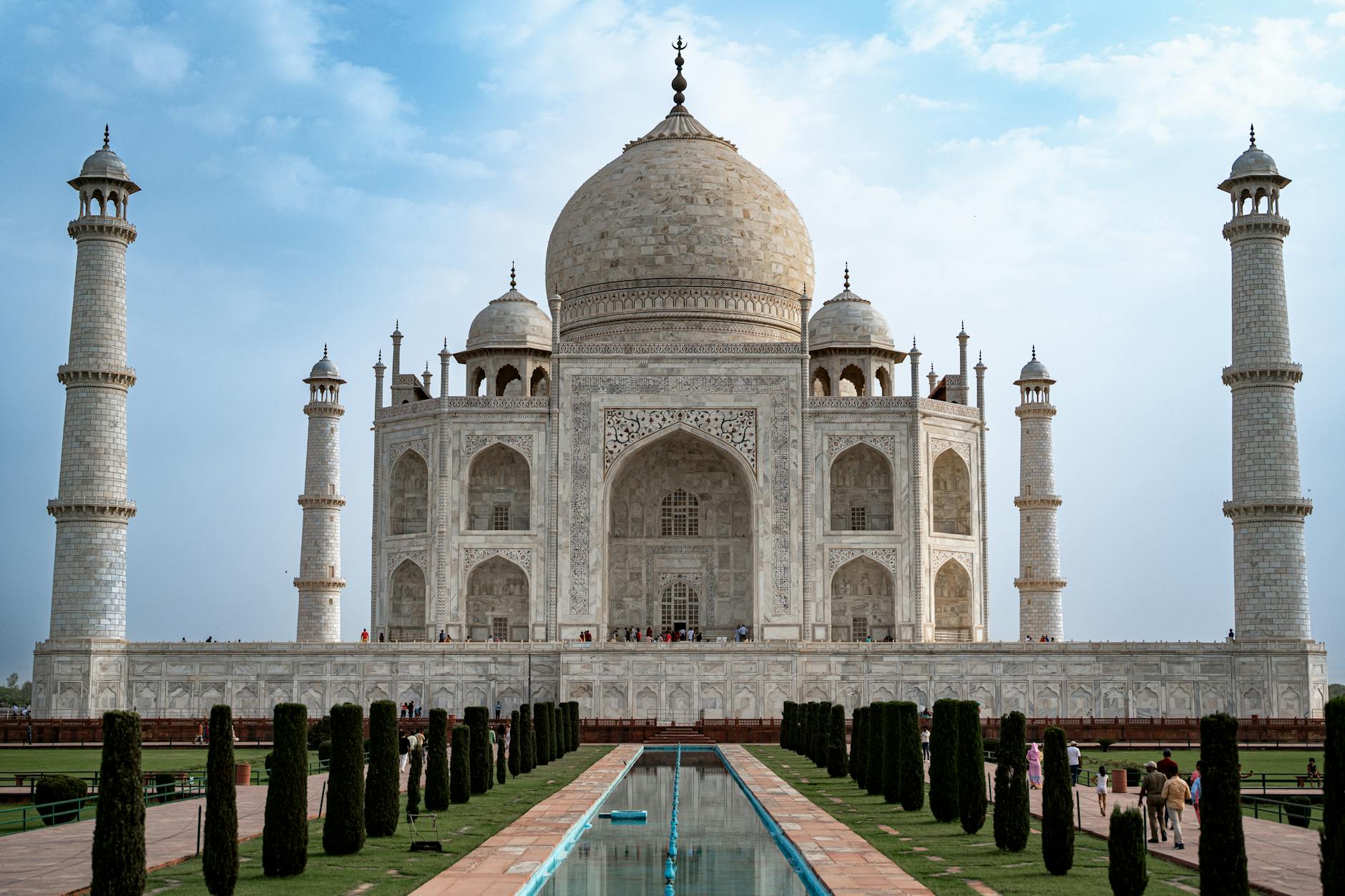
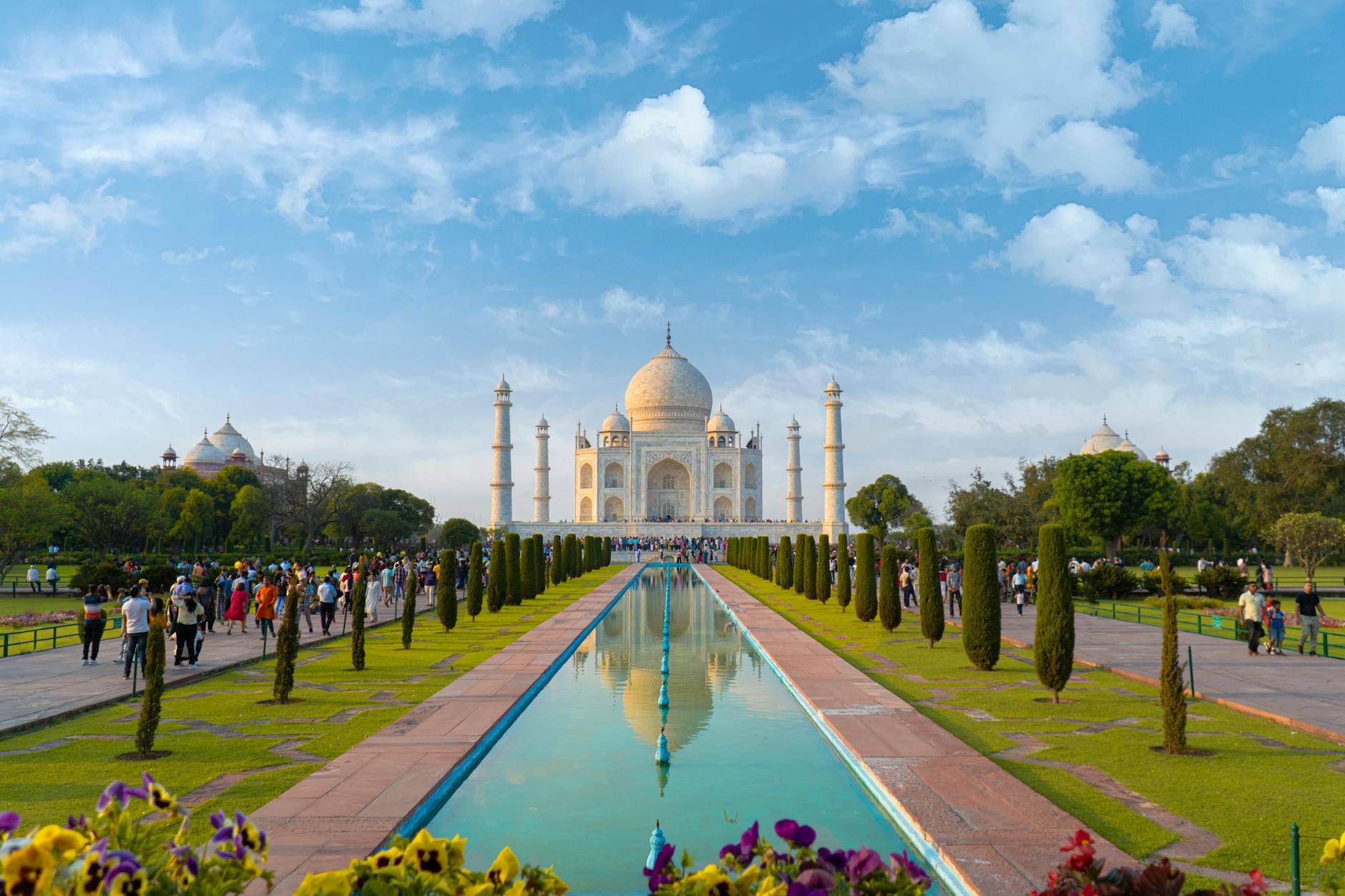
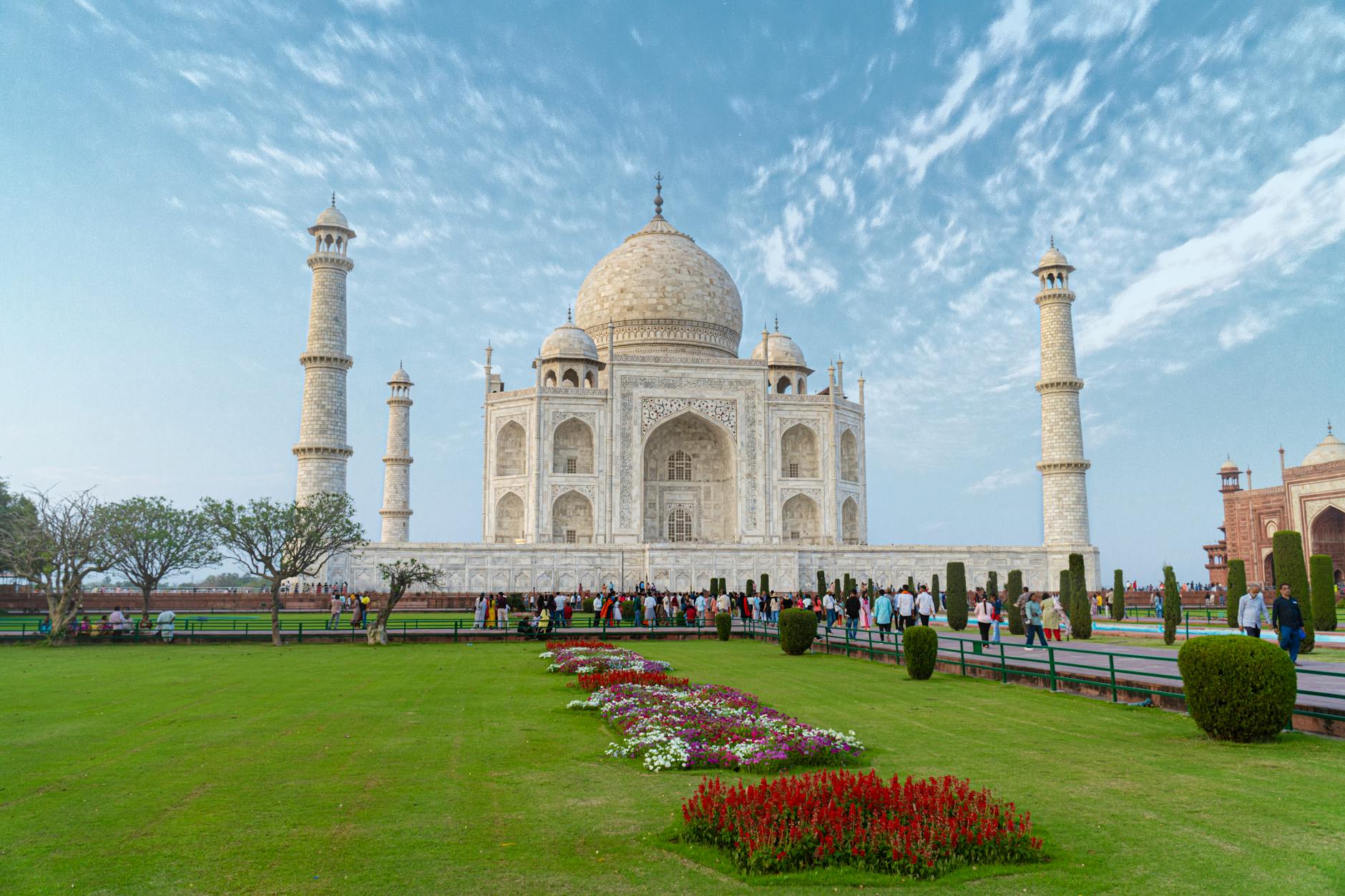
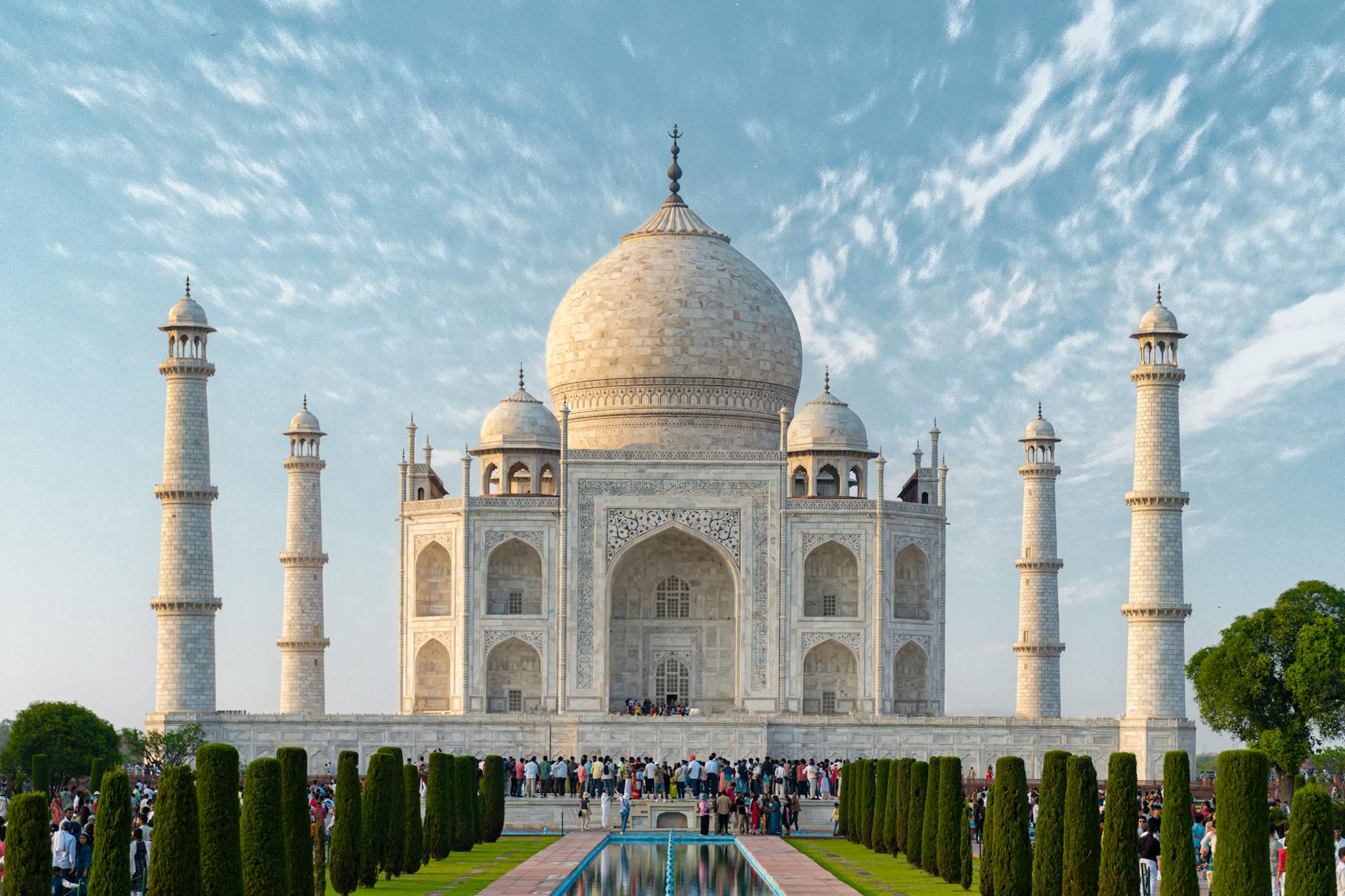
The ivory-white marble mausoleum Shah Jahan built for Mumtaz Mahal — a UNESCO site and one of the New Seven Wonders. The pietra dura inlay, perfect symmetry, and the marble's shifting colour through the day are what make the visit unforgettable.
- Symmetrical view from the reflecting pool
- Pietra dura marble inlay on the main tomb
- Cenotaphs of Mumtaz Mahal and Shah Jahan
- Diana seat for the classic centred photograph
Closed every Friday. Book tickets online at asi.payumoney.com to skip queues. Enter via the East Gate at sunrise for the smallest crowds.
Agra Fort
The red sandstone seat of Mughal power before Delhi — also UNESCO-listed. Babur, Akbar, Jahangir and Shah Jahan all lived here. Shah Jahan was later imprisoned in its Musamman Burj tower, where he could see the Taj he had built.
- Diwan-i-Khas (Hall of Private Audience)
- Sheesh Mahal mirror palace
- Musamman Burj — Shah Jahan's prison tower with Taj view
- Jahangiri Mahal courtyard
Open all seven days (unlike the Taj on Fridays). Audio guides in multiple languages available at the gate for ₹120.
Fatehpur Sikri
Akbar's short-lived red-sandstone capital, abandoned within 14 years due to water scarcity. 37 km west of Agra, its architecture blends Islamic, Hindu and Jain elements — a reflection of Akbar's syncretic religious philosophy.
- Buland Darwaza — the 54m Gate of Magnificence
- Tomb of Sufi saint Salim Chishti
- Panch Mahal — five-story open palace
- Diwan-i-Khas with its famous carved central pillar
Ignore freelance guides at the gate — book a licensed guide through your hotel. Combine with Bharatpur bird sanctuary if continuing to Jaipur.
Itimad-ud-Daulah (Baby Taj)
Commissioned by Empress Nur Jahan for her father, this was the first Mughal tomb built entirely of marble — and the design vocabulary that would inspire the Taj Mahal twenty years later. Much smaller, often empty, and quietly gorgeous.
- Earliest pietra dura inlay in Mughal India
- Octagonal corner minarets
- Delicate jali (marble lattice) screens
- Yamuna riverfront setting
A photographer's dream — crowds are rare. Combine with Mehtab Bagh just across the river.
Mehtab Bagh
The "moonlit garden" directly across the Yamuna from the Taj, originally designed as its mirror and night-viewing pavilion. Today it's the single best place to watch the Taj change colour at sunset.
- Unobstructed Taj silhouette across the river
- Original Mughal charbagh garden layout
- Free tripod-friendly photography (unlike inside the Taj)
Arrive by 5 PM in winter / 6:30 PM in summer. Stay till the marble goes from pink to gold to silver.
Akbar's Tomb, Sikandra
Emperor Akbar's mausoleum 10 km north of Agra, on the old Delhi road. The architecture deliberately mixes Hindu, Islamic, Christian and Buddhist motifs — a physical expression of Akbar's Din-i-Ilahi syncretism.
- Buland Darwaza-style gateway with four white minarets
- Pietra dura pavilions on the terraces
- Resident deer and langur monkeys in the garden
- Often empty — a quiet, meditative visit
Easy stop when driving from/to Delhi. Often skipped by tour groups, which is precisely why it's worth your time.
Marble Inlay Workshops (Pietra Dura)
The same craft that decorates the Taj is still practiced by descendants of the original artisans. Watching a craftsman hand-cut and inlay lapis, carnelian, malachite and mother-of-pearl explains more about the Taj than any guidebook.
- Live demonstration of stone-cutting and inlay
- Understand the Taj's decoration firsthand
- Purchase authenticated pieces directly from makers
Visit UPSRTC-registered workshops on Fatehabad Road or in Kinari Bazaar. Avoid tour-commission-driven shops — ask your hotel for a reputable address.
Jama Masjid, Agra
The 1648 congregational mosque Shah Jahan's daughter Jahanara commissioned, opposite Agra Fort. Less visited than Delhi's Jama Masjid, but the transition from the chaos of Kinari Bazaar into its quiet marble courtyard is unforgettable.
- Red sandstone exterior with white marble inlay
- Three-domed prayer hall
- Entry via the frenetic Kinari Bazaar — the contrast is the point
Remove shoes and dress modestly — long sleeves, head covered for women. Non-Muslims welcome outside prayer times.
Kinari Bazaar Food Trail
The old-city market running from Jama Masjid is Agra's best eating. Petha sweets, bedai puri breakfasts, legendary chaat, Mughlai kebabs — five generations of family-run stalls.
- Panchhi Petha — the original petha shop since 1865
- Deviram Bedai — breakfast puris with spicy sabzi
- Shankar Ji Chaat — legendary bhalla-papdi
- Silver-foil (varq) workshops tucked in alleys
Go with a local food guide (Agra Food Walk or similar) for best picks. Eat small portions across many stalls rather than a full meal at one.
Chini Ka Rauza
An Indo-Persian tomb (mid-17th century) famous for its glazed tile facade — "chini" means Chinese tiles. Possibly the burial of Afzal Khan, Shah Jahan's Persian poet-minister. Almost always deserted.
- Rare Persian-style glazed tile exterior in India
- Atmospheric Yamuna riverfront setting
- Pairs well with Itimad-ud-Daulah (10 min walk)
Maintenance is uneven — parts of the tile work are eroded, but this hidden-gem feel is the reward for skipping the cliché circuit.
Suggested Itinerary
A carefully curated journey through Taj Mahal, Agra's most iconic monuments and hidden gems
The Taj and the Fort
The two headline monuments, with a proper sunset finish.
The Mughal Arc
Fatehpur Sikri, the Baby Taj, and the artisans who built it all.
Practical Guide
Getting There
By Air: Agra Airport (AGR) handles limited Delhi and domestic flights. For international arrivals, use Delhi (DEL) — 230 km via the Yamuna Expressway (3–3.5 hours by car). Jaipur (JAI) is the alternative if you're doing the Golden Triangle in reverse.
By Train: Agra Cantt (AGC) is the main station. The Gatimaan Express from Delhi Hazrat Nizamuddin reaches Agra in 1h 40m — the fastest, most comfortable option. Shatabdi and Taj Express also run daily.
By Road: The Yamuna Expressway is India's best-maintained toll highway. Delhi–Agra drive is 3 hours, toll roughly ₹500 for a passenger car. Clean rest stops with washrooms and coffee en route.
Getting Around
Prepaid Auto: Prepaid auto-rickshaw counter at Agra Cantt station. ₹120–200 to Taj Ganj area depending on hotel.
E Rickshaw: Pollution-free e-rickshaws are mandatory within 500 m of the Taj Mahal. ₹20–50 for short hops.
Car And Driver: Full-day car hire is ₹1,800–2,500 for 8 hours — the most efficient way to cover monuments plus a Fatehpur Sikri side trip. Book through your hotel.
Walking: Taj Ganj neighbourhood is walkable. Fatehabad Road hotels are 10–15 minutes by auto to the Taj West Gate.
Where to Stay
- Taj Ganj — Walking distance from the Taj, budget-to-mid range Rooftop cafés with Taj views. Hostels from ₹500, guesthouses ₹2,000–4,000. Best for first-timers who want to be close.
- Fatehabad Road — Luxury corridor, 10 min from the Taj Oberoi Amarvilas, ITC Mughal, Jaypee Palace, Courtyard by Marriott. ₹8,000–35,000+. All have pools and polished service.
- Sadar Bazaar — Near Agra Cantt, more local character Better local food scene, less tourist-focused. Good if you're train-in/train-out. ₹2,000–4,500.
- Fatehpur Sikri — Not recommended for overnight Very limited accommodation. Always better as a day trip from Agra.
Day Trips & Nearby
- Mathura — 1.5 hr (60 km) Krishna's birthplace. Vishram Ghat, Krishna Janmabhoomi temple, and the Holi celebrations here are legendary. Often combined with Vrindavan.
- Vrindavan — 1.5 hr (70 km) Devotional twin of Mathura. Banke Bihari and ISKCON temples, evening aarti at the ghats. Quieter than Mathura, deeply atmospheric.
- Bharatpur Keoladeo National Park — 1 hr (55 km) UNESCO World Heritage bird sanctuary — 370+ species, including Siberian cranes in winter. Cycle rickshaw tour is the way to see it.
- Chambal River Safari — 2.5 hr (75 km) Boat safari to spot critically endangered gharials and rare Gangetic river dolphins. Ravines and a different India entirely.
Gallery
Travel Tips
Best Time: Visit at sunrise for the most magical light and smallest crowds.
Closed Day: The Taj Mahal is closed every Friday for prayers.
Photography: The bench on the Diana seat offers the classic symmetrical Taj photo.